
Oversight Mechanisms Affecting Incentive Structures Across British Online Gambling Platforms
Regulatory frameworks in Britain's online casino sector continue to shape how operators structure bonus offerings, with rules that directly limit wagering requirements, promotional advertising, and eligibility criteria for players. These measures stem from broader consumer protection priorities embedded in national legislation, which emphasize transparency and responsible participation over aggressive marketing tactics. Observers note that such oversight has evolved steadily since the early 2000s, responding to shifts in digital access and player behavior patterns across the country.
Historical Development of Bonus Regulations
British authorities first introduced targeted controls on gambling promotions through updates to the Gambling Act framework, focusing initially on disclosure requirements for bonus terms and conditions. By the mid-2010s, these rules expanded to address misleading claims about free spins and deposit matches, requiring operators to present clear information on playthrough obligations before any promotion activates. Data from industry reports shows that these early interventions reduced certain high-wagering offers that previously dominated marketing campaigns, prompting operators to adjust their incentive models accordingly.
International examples provide useful context here, as similar patterns emerged in other jurisdictions. A comprehensive review by the Responsible Gambling Council in Canada documented parallel changes where regional regulators capped bonus values to curb excessive play among vulnerable groups, demonstrating how cross-border learning influences policy design.
Key Rules Governing Promotional Content
Current guidelines restrict how bonuses appear in advertisements, mandating that operators highlight restrictions such as maximum win caps and time-limited validity periods in every promotional message. This approach stems from evidence gathered through compliance audits, which revealed frequent player complaints about hidden conditions that extended play requirements beyond initial expectations. Operators must now verify age and location details before delivering any bonus, a step that integrates with broader identity verification systems to prevent unauthorized access.
Research from academic institutions further supports these developments. Studies conducted at universities in Australia have examined how promotional limits affect overall participation rates, finding measurable declines in impulsive sign-ups following the rollout of stricter advertising standards. Those findings align with observations in the British market, where bonus-related disputes decreased after implementation of the updated codes.
Effects on Specific Bonus Categories
Deposit match offers now carry mandatory caps on total bonus amounts tied to average player deposits, reducing the scale of large-scale promotions that once featured multipliers exceeding 200 percent. Free spin packages face similar constraints, with rules requiring operators to specify reel eligibility and payout percentages upfront rather than burying details in fine print. Cashback schemes, once popular for retaining high-volume players, now operate under loss-limit thresholds that trigger automatic payouts only after verified net losses reach predefined levels.
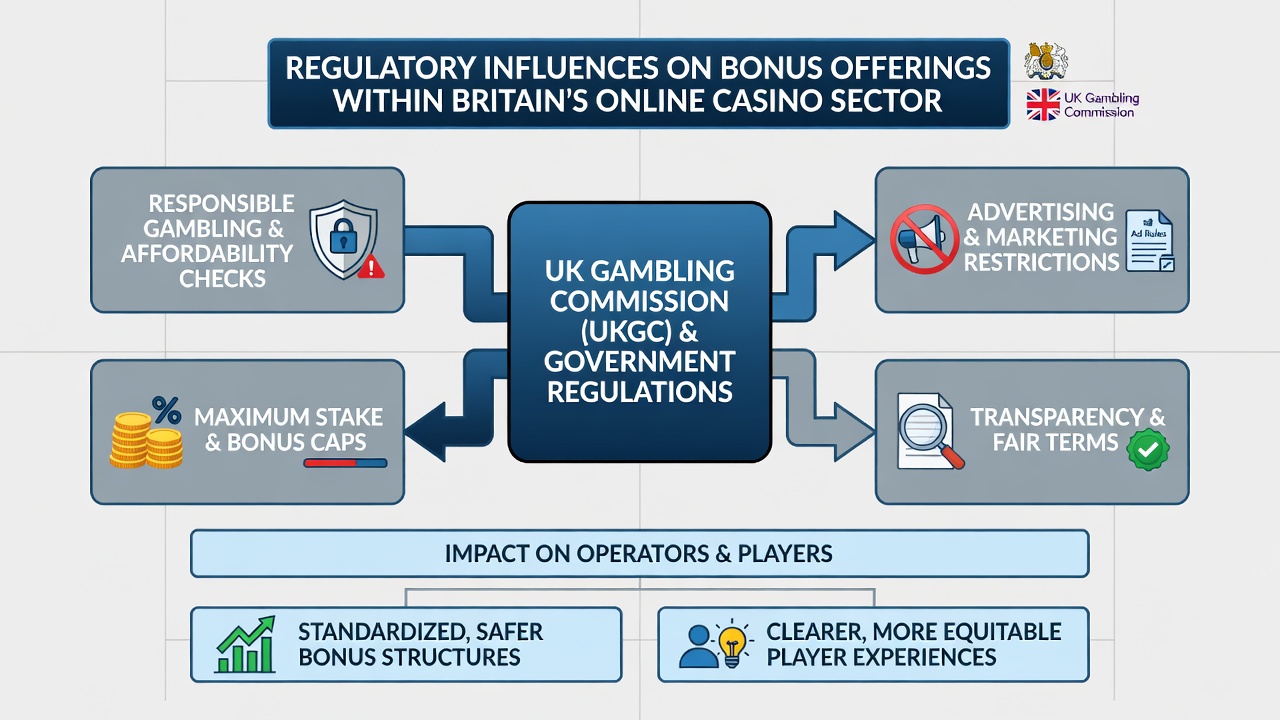
These adjustments reflect coordinated efforts between licensing bodies and payment processors, who monitor transaction flows for signs of bonus abuse. Figures released by European gaming associations indicate that compliance costs for operators rose by approximately 15 percent between 2023 and 2025, driven largely by the need to redesign promotional software and training programs for staff.
International Comparisons and Cross-Border Influences
British policies draw from practices observed in other regulated markets, including those managed by state-level bodies in the United States where bonus restrictions tie directly to state licensing renewals. Reports compiled by the National Council on Problem Gambling in the US highlight how similar transparency mandates led to standardized bonus calculators that players can access before committing funds. Such tools have since appeared in adapted forms within British platforms, illustrating the transfer of technical solutions across regions.
Yet differences remain pronounced. Whereas some Australian states emphasize self-exclusion integration with bonus accounts, British approaches prioritize real-time spending alerts that interrupt promotional sequences when limits approach. This distinction arises from varying legislative priorities, with each jurisdiction adapting core principles to local data on player harm indicators.
Anticipated Developments Around September 2026
Industry analysts track upcoming consultations scheduled for September 2026, when updated guidelines on digital advertising are expected to address emerging formats such as in-game bonus notifications and influencer partnerships. Preliminary drafts circulating among trade groups suggest further emphasis on algorithmic fairness in bonus allocation, requiring operators to demonstrate that promotional triggers do not disproportionately target accounts showing signs of extended sessions. These proposals build on existing data collection requirements without introducing entirely new licensing categories.
Conclusion
Regulatory influences on bonus offerings in Britain's online casino sector operate through layered requirements that prioritize disclosure, verification, and harm minimization. Evidence from compliance monitoring and international studies demonstrates consistent effects on promotion design, with operators adapting structures to meet evolving standards. As September 2026 approaches, further refinements may emerge from ongoing reviews, continuing the pattern of measured adjustments observed over the past decade.