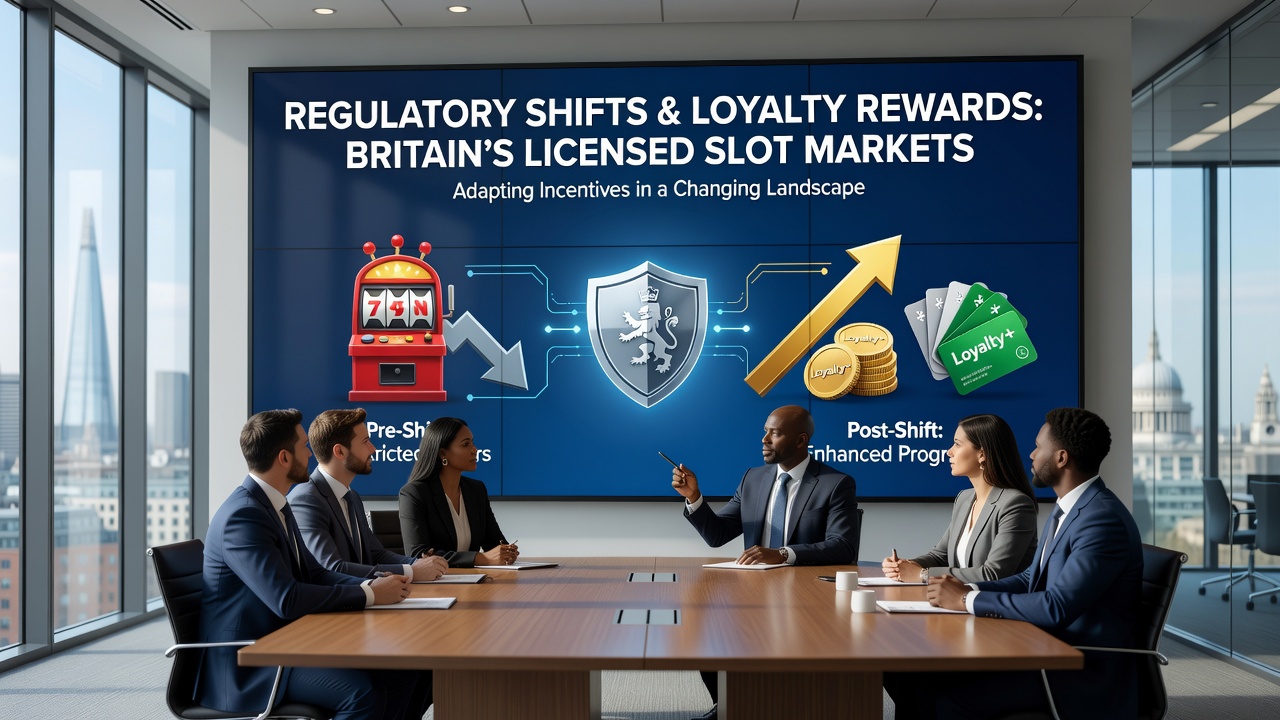
Regulatory Adjustments Driving Changes in Loyalty Structures for UK Slot Operators
Regulatory adjustments have altered how operators in Britain structure loyalty rewards within licensed slot markets, with changes focusing on player protection measures and transparency requirements that directly influence point accumulation systems and redemption options. Data from industry reports indicate that operators must now align reward programs with stricter advertising standards and spending caps, leading to modifications in how bonuses and free spins integrate into ongoing loyalty tiers.
Background on Slot Market Regulations
Britain's licensed slot operators have navigated multiple layers of oversight that shape reward mechanisms, where rules on bonus structures require clear disclosure of terms and conditions while limiting promotional mechanics that could encourage excessive play. Observers note that these frameworks emerged from broader efforts to standardize practices across physical and online venues, resulting in loyalty programs that emphasize verifiable player activity over aggressive incentive models. Research indicates that adjustments in stake limits and session tracking have prompted operators to redesign reward accrual rates, ensuring points reflect sustained engagement rather than rapid deposits.
Recent Shifts and Their Implications
Recent regulatory updates have introduced requirements for real-time monitoring of reward redemptions, compelling operators to incorporate responsible gambling tools directly into loyalty dashboards. Those who've studied these developments find that operators now cap certain reward multipliers and tie loyalty benefits to verified age and spending thresholds, which reduces the scope for high-value promotions that previously dominated slot marketing. What's interesting is how these shifts connect to data reporting obligations, where operators submit detailed logs of reward distributions to maintain licensing compliance, thereby influencing the frequency and value of points awarded during peak play periods.
Figures reveal that loyalty structures have evolved to include mandatory cooling-off periods before points convert to playable credits, a measure designed to align with harm minimization goals across the sector. And operators respond by developing tiered systems that reward consistent, lower-intensity play with steadier benefits, whereas high-volume patterns trigger adjusted reward rates under the new guidelines.
Effects on Player Loyalty Programs
Loyalty programs in Britain's slot markets now feature integrated limit-setting features that adjust point earnings based on individual player profiles, according to patterns observed in operator compliance filings. This approach connects reward eligibility to behavioral data, allowing systems to pause or scale benefits when predefined thresholds appear. Studies from academic sources show that such integrations have led to a measurable redistribution of reward value toward players who maintain moderate activity levels over extended periods.

Take one operator who adjusted its program to replace instant bonus credits with progressive loyalty milestones tied to verified play duration, a change that reflects broader compliance with transparency mandates. The reality is that these modifications affect how players accumulate and redeem rewards, with systems now requiring explicit consent for data use in reward calculations. External comparisons, such as those documented by the National Council on Problem Gambling, highlight similar adaptations in other jurisdictions where regulatory emphasis on player tracking has reshaped incentive frameworks without eliminating loyalty elements entirely.
Case Examples from Operators
Multiple licensed venues have introduced loyalty cards that sync with central databases to enforce cross-operator spending limits, ensuring reward points do not accumulate beyond regulated amounts. People who've examined these implementations note that the systems often include automated alerts when players approach reward caps, which then redirect benefits toward non-monetary perks such as event access or merchandise. This development stems from rules that prioritize balanced participation, resulting in programs where slot-specific rewards emphasize entertainment value alongside financial incentives.
Another adjustment involves the phasing out of deposit-linked loyalty multipliers in favor of play-based accumulation models, which operators report as a direct response to updated promotional guidelines. Data shows these changes maintain player retention while satisfying audit requirements, with reward ledgers now subject to independent verification processes.
Looking Ahead to November 2026
Preparations for November 2026 include anticipated refinements to reward transparency rules, where operators must provide standardized reports on loyalty program performance and player outcomes. Those monitoring the timeline expect further integration of digital verification tools that link loyalty accounts to national self-exclusion registers, potentially altering how points transfer across different slot platforms. Research from international bodies, including insights shared by the Australian Gambling Research Centre, suggests these upcoming measures could standardize reward valuation methods across licensed markets, creating more uniform structures for point redemption and bonus eligibility.
Conclusion
Overall, regulatory shifts continue to guide the evolution of loyalty rewards in Britain's licensed slot markets through requirements for accountability, data integration, and player safeguards. Operators adapt by refining accrual methods and redemption pathways to meet compliance standards while preserving program appeal, with ongoing developments pointing toward more interconnected and monitored systems by late 2026. Evidence from sector analyses confirms that these adjustments reshape reward dynamics without removing the core elements of player engagement programs.