Regulatory Changes Reshape No-Deposit Bonus Frameworks Across Licensed UK Gambling Platforms
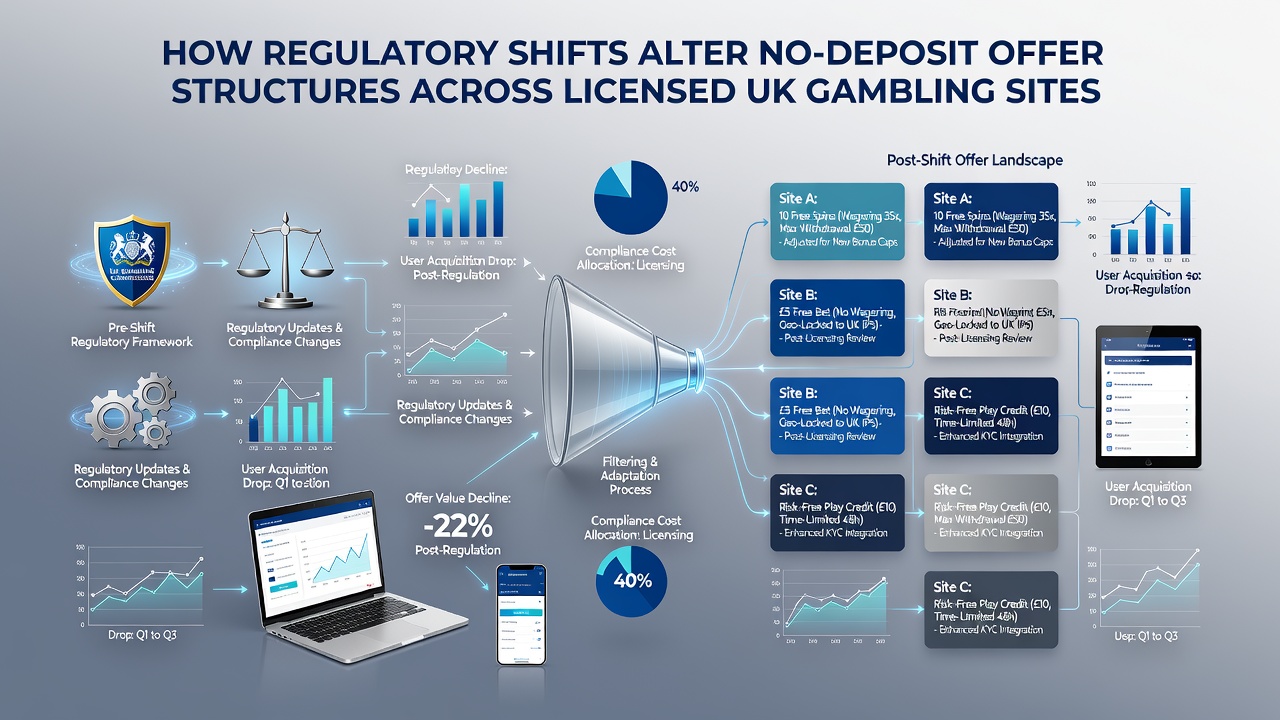
Regulatory adjustments continue to influence how licensed operators structure no-deposit incentives on UK-facing platforms, and data from industry reports shows these modifications affect eligibility criteria, wagering multipliers, and game restrictions in measurable ways. Observers note that operators adjust promotional parameters when new compliance requirements emerge, while players encounter revised terms that reflect updated standards around responsible gambling features and financial transparency.
Core Elements of No-Deposit Structures Under Review
No-deposit offers typically provide free credits or spins without an initial player deposit, yet regulatory updates often mandate clearer disclosure of maximum win caps and expiration timelines. Studies from academic institutions indicate that such requirements lead operators to refine bonus values and introduce tiered access based on player verification levels, and this pattern appears across multiple licensed sites operating in the UK market. Those who track promotional trends find that game contribution percentages for wagering also shift when authorities emphasize fair play metrics, because operators must align their offerings with broader consumer protection guidelines.
Developments Observed Around November 2026
By November 2026 several operators had implemented revised no-deposit frameworks that incorporated enhanced age-verification protocols and real-time spending alerts, according to aggregated industry data. These adjustments coincided with wider discussions on digital advertising standards, and figures reveal that many platforms reduced the number of eligible games for bonus play while extending minimum playthrough periods. Researchers discovered that these structural changes correlated with lower average bonus amounts, although total promotional volume across sites remained steady as operators compensated through loyalty integration and referral mechanics.
Comparative Influences from International Regulatory Models
UK licensed operators sometimes reference frameworks established in other jurisdictions when adapting their own promotions, and reports from the Australian Gambling Research Centre highlight how similar transparency rules affected bonus expiration policies in that region. Likewise, analyses published by the Nevada Gaming Control Board demonstrate that strict win-cap disclosures can reduce dispute rates, prompting some UK platforms to adopt parallel language in their terms. Such cross-border observations help explain why certain sites now display bonus values alongside projected net returns rather than headline figures alone.
Adjustments to Wagering and Eligibility Requirements
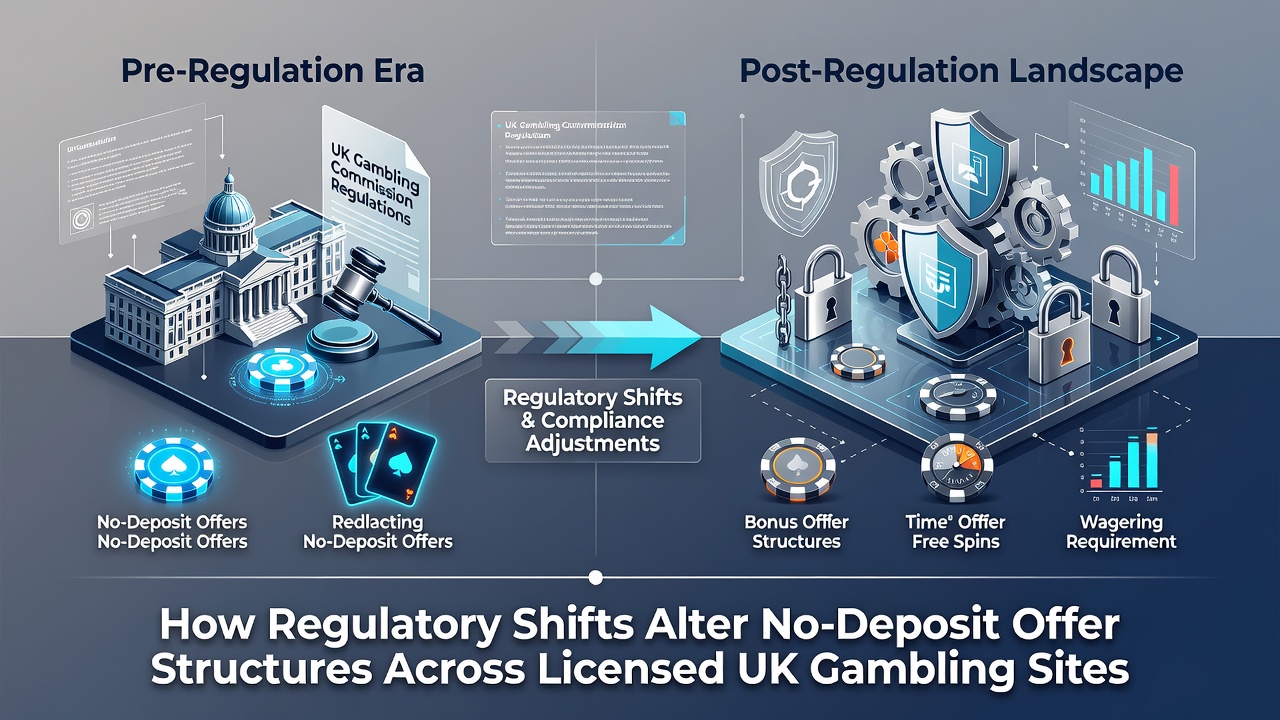
Operators respond to evolving standards by recalibrating wagering multipliers, and evidence suggests many sites moved from 40x to 35x or lower on no-deposit credits during late 2026. Player segmentation also evolved, with new accounts facing additional verification steps before bonus activation became possible, while existing verified users retained access under legacy conditions for a transitional period. Data indicates that these layered approaches help maintain compliance without disrupting established user bases, although some platforms reported temporary dips in bonus redemption rates during the transition.
Effects on Game Selection and Contribution Rates
Regulatory emphasis on risk disclosure prompted operators to limit bonus-eligible titles to those with certified random number generators and published return-to-player percentages, and this restriction altered contribution weightings for slots versus table games. One study revealed that when contribution rates for blackjack dropped from 20 percent to 10 percent, players shifted toward higher-weighted slots, and overall session lengths increased slightly on affected sites. Those monitoring platform analytics note that such recalibrations appear designed to balance player engagement with compliance obligations rather than to favor any single game category.
Conclusion
Regulatory shifts continue to prompt measurable modifications in no-deposit offer structures across licensed UK gambling sites, and the patterns observed through November 2026 illustrate how operators adapt eligibility rules, wagering terms, and game restrictions in response to updated standards. International comparisons from bodies such as the University of Nevada Las Vegas International Gaming Institute further contextualize these domestic changes, showing consistent themes around transparency and player protection. The ongoing evolution suggests that future adjustments will likely focus on integration with broader responsible gambling tools, while maintaining promotional viability within licensed environments.